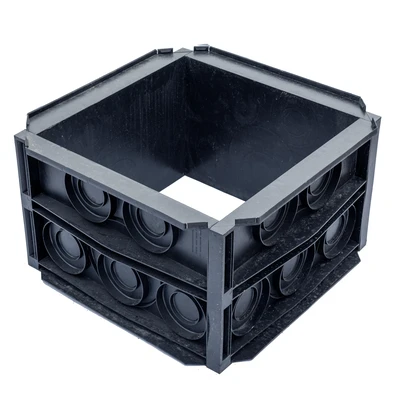
DUCT45
450x450mm Duct Access Box 320mm Depth
RRP £57.15
£ 48 . 58
Excl. VAT
RRP £68.58
£ 58 . 29
Inc. VAT
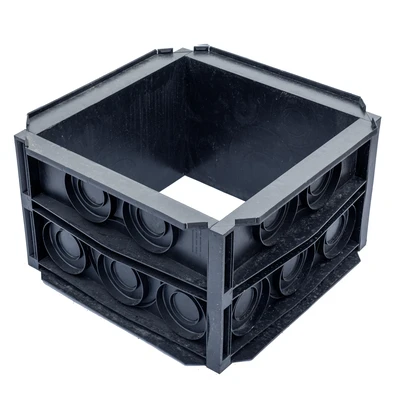
DUCT60
600x600mm Duct Access Box 320mm Depth
RRP £75.55
£ 64 . 22
Excl. VAT
RRP £90.66
£ 77 . 06
Inc. VAT
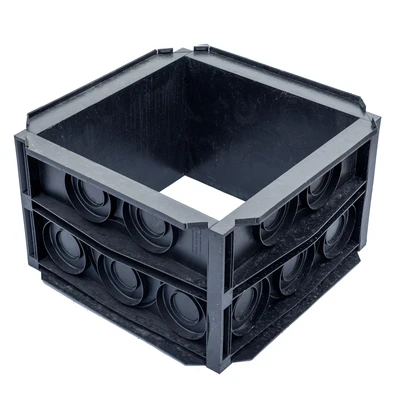
DUCT65
600x450mm Duct Access Box 320mm Depth
RRP £75.17
£ 63 . 89
Excl. VAT
RRP £90.20
£ 76 . 66
Inc. VAT
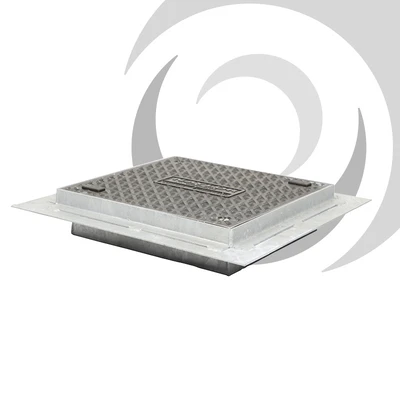
69125N
600x600mm Composite Cover/Frame B125
RRP £314.87
£ 267 . 64
Excl. VAT
RRP £377.84
£ 321 . 16
Inc. VAT
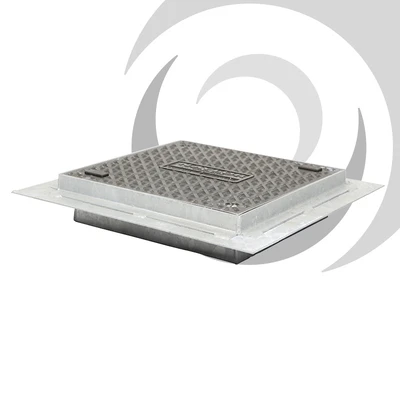
69126N
600x450mm Composite Cover/Frame B125
RRP £275.76
£ 234 . 40
Excl. VAT
RRP £330.91
£ 281 . 28
Inc. VAT
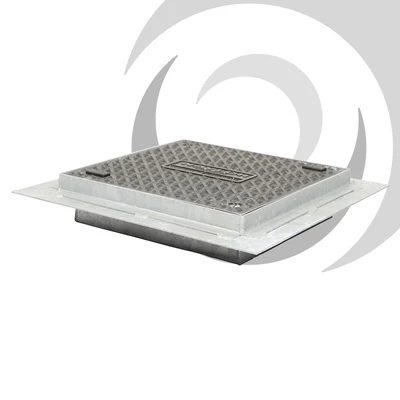
69127N
450x450mm Composite Cover/Frame B125
RRP £229.86
£ 195 . 38
Excl. VAT
RRP £275.83
£ 234 . 45
Inc. VAT
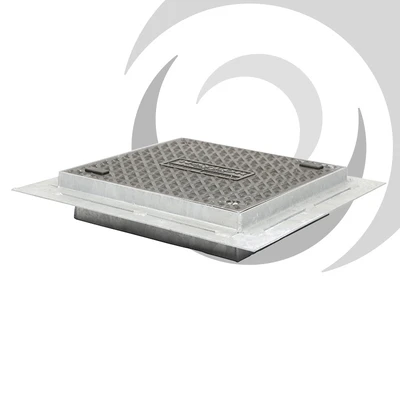
69128N
300x300mm Composite Cover/Frame B125
RRP £155.76
£ 132 . 40
Excl. VAT
RRP £186.91
£ 158 . 88
Inc. VAT
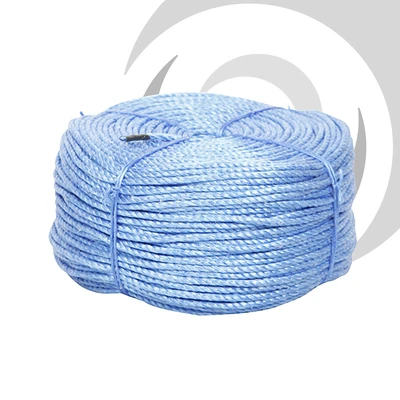
DC220
6mm Polypropylene Drawcord x220m Coil; Red
RRP £28.60
£ 24 . 31
Excl. VAT
RRP £34.32
£ 29 . 17
Inc. VAT
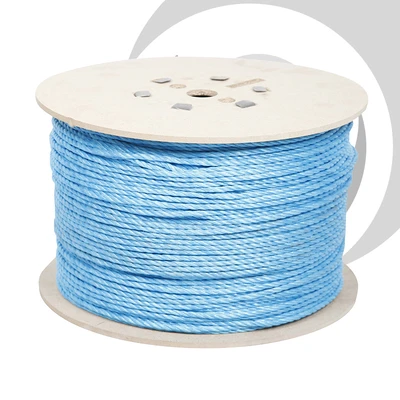
DC500
6mm Polypropylene Drawcord x500m Drum; Red
RRP £58.63
£ 49 . 84
Excl. VAT
RRP £70.35
£ 59 . 80
Inc. VAT
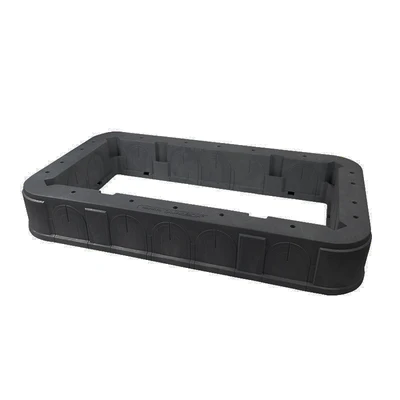
JMF102
JMF Access Chamber 725x225x150mm BT Approved - Black
RRP £116.34
£ 98 . 89
Excl. VAT
RRP £139.60
£ 118 . 66
Inc. VAT
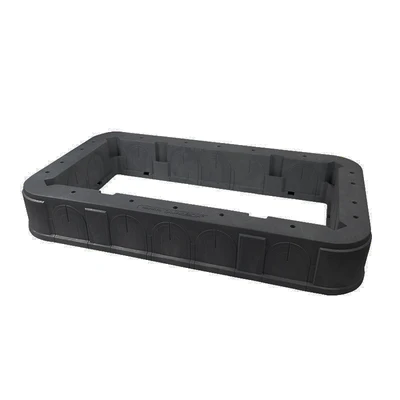
JMF104
JMF Access Chamber 915x445x150mm BT Approved - Grey/Black
RRP £126.22
£ 107 . 29
Excl. VAT
RRP £151.46
£ 128 . 74
Inc. VAT
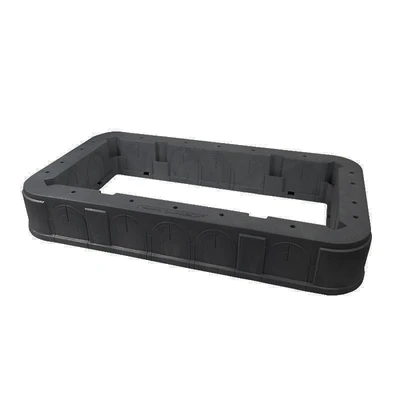
JMF106
JMF Access Chamber 1310x610x150mm BT Approved - Black
RRP £204.07
£ 173 . 46
Excl. VAT
RRP £244.88
£ 208 . 15
Inc. VAT
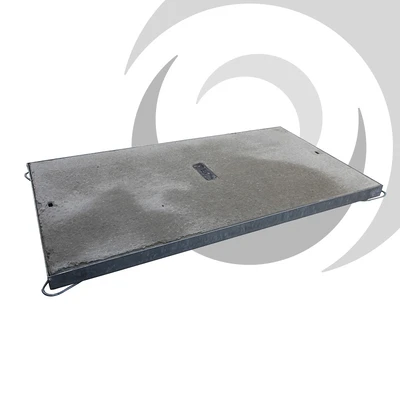
STAK102CBT
QuadBox Concrete Cover EN2/B125 725 x 255mm Badged: BT, BT Approved
RRP £237.45
£ 201 . 83
Excl. VAT
RRP £284.94
£ 242 . 19
Inc. VAT
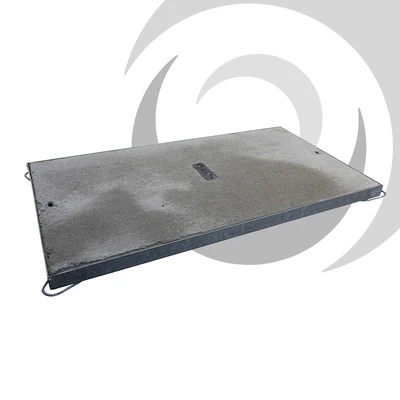
STAK104CBT
QuadBox Concrete Cover EN4/B125 915 x 445mm; Badged: BT Approved
RRP £284.38
£ 241 . 72
Excl. VAT
RRP £341.25
£ 290 . 06
Inc. VAT
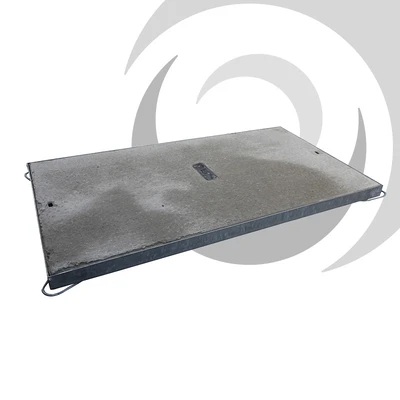
STAK106CBT
QuadBox Concrete Cover EN6/B125 1310 x610mm Badged: BT Approved, Twin Part Unit
RRP £507.66
£ 406 . 13
Excl. VAT
RRP £609.19
£ 487 . 35
Inc. VAT
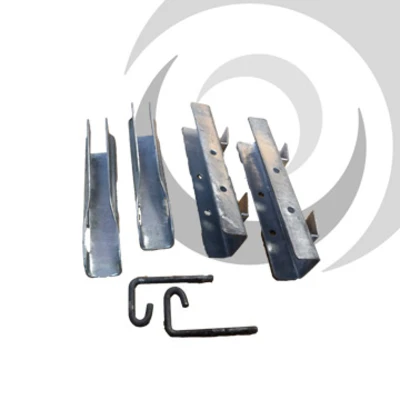
STAKWBBLP
QuadBox Cable Bearer Kit (2x wall bracket, 2x cable bearer, 2x Locking Pin) BT Approved; Galvanised to EN1461
RRP £59.64
£ 50 . 69
Excl. VAT
RRP £71.56
£ 60 . 82
Inc. VAT
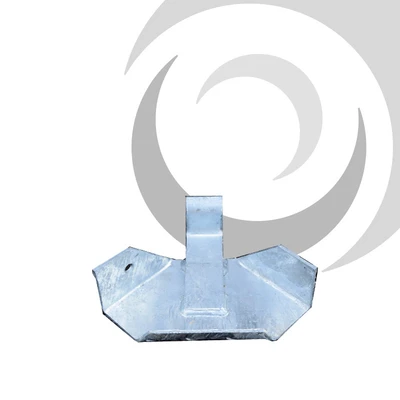
STAKSTEP
QuadBox Access Step BT Approved; Galvanised to EN1461
RRP £31.86
£ 27 . 08
Excl. VAT
RRP £38.23
£ 32 . 49
Inc. VAT
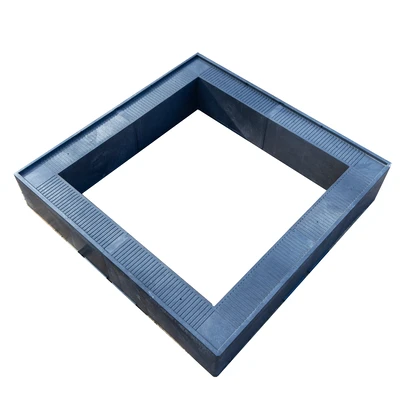
ME1212150
Structural D400 1200x1200mm Access Chamber Section x150mm High
RRP £111.85
£ 95 . 07
Excl. VAT
RRP £134.22
£ 114 . 08
Inc. VAT
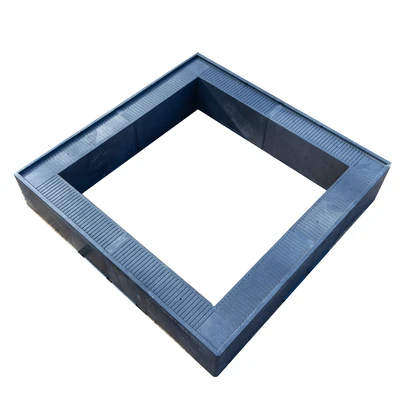
ME4545150
Ecolite D400 450x450mm Access Chamber Section
RRP £42.65
£ 36 . 25
Excl. VAT
RRP £51.18
£ 43 . 50
Inc. VAT
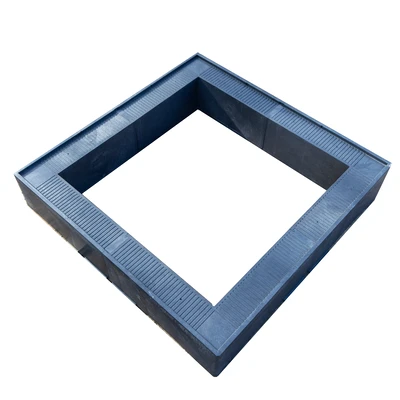
ME6060150
Ecolite D400 600x600mm Access Chamber Section x150mm High
RRP £51.24
£ 43 . 55
Excl. VAT
RRP £61.48
£ 52 . 26
Inc. VAT
Underground ducting is the first line of defence in preventing damage to pipes or cables and protecting workers from injury or harm caused by rupturing gas pipes or electrical cables. It alkso enables pipes and cables to be installed or replaced after groundworks are complete without further excavation.
Our range includes underground ducting for gas, electrical and telecommunications supply plus a comprehensive selection of accessories for a complete installation
Why is ducting made in different colours?
Ducting is colour-coded to clearly show what services it is being used for and to warn workers so that they can take appropriate safety measures while working nearby.
- Black ducting is used for domestic electricity
- Blue ducting is used for water
- Yellow ducting is used for gas
- Grey ducting is used for telecoms
- Green ducting is used for cable TV and fibre optics
- Orange ducting is used for railway and street lighting
- Purple ducting is used for motorway lighting
- Red ducting is used for high-voltage electricity over 500W
What underground ducting should I use?
While this decision should be primarily based on using the correct colour code, ducting also varies in the plastic it is manufactured from, its rigidity and its performance.
Underground ducting is made of PVC, polyethylene, uPVC or twinwall HDPE plastic and is either flexible or rigid.
For short runs of ducting, 6-metre lengths of rigid PVC or twinwall HDPE (for extra strength) ducting may be your best option as these are much easier to lay than coiled flexible ducting.
For long runs, 25 or 50-metre coils of flexible PE or twinwall HDPE ducting might be better as this more easily accommodates variations in the ground level.
If your ducting requires extra strength, choose one with a suitable strength (SN rating) and crush resistance (kN) for your application; in general, a minimum compression strength of 450kN or an SN6 rating is sufficient. Twinwall HDPE, PE and uPVC ducting can all be manufactured with differing strength and crush-resistant properties.
BS EN 61386 specifies three class types for various applications:
Class 1 ducting
With a 450kN compression rating at operating temperatures of up to 75°C, Class 1 ducting should be used for high voltage (33-132kV) power supplies.
Class 2 ducting
This ducting also has a 450kN compression rating, but only up to operating temperatures of 50°C. it is therefore only suitable for low voltage (230V/11kV and 20kV) power supplies.
Class 3 ducting
Compression rated at 450kN only with operating temperatures of up to 23°C, this ducting is not suitable for electrical power ducting and can only be used for general applications.
Why is gas pipe ducting perforated?
Gas pipe ducting is perforated for a good reason. Should a gas leak occur in a pipe underground, the perforations will allow the gas to disperse away from the leak and into the surrounding soil. This prevents a high concentration of gas build-up and aids leak detection.
Help & Advice

Related articles

When Is a Good Time to Use General Purpose Ducting?
28 July, 2025 (Updated 6 August, 2025)
Not all ducting needs to be specialist. Learn when General Purpose Ducting can be your smartest, most cost-effective, yet still fully compliant solution.

How to Install Underground Utility Ducting
23 June, 2025
A practical, professional guide to installing underground utility ducting safely and legally, including understanding colour coding, depth regulations and trench preparation.

Hockey Sticks: Making External Meter Box Installation Easier
19 February, 2024
In electrical terms, a hockey stick is a curved plastic pipe used to connect and protect electrical cable between an underground service duct and a meter box.
Underground service pipe colours and depth requirements
1 February, 2023 (Updated 21 July, 2026)
Underground service pipes are an imperative feature of every commercial or domestic building, as the underground pipe system is what provides utilities to...