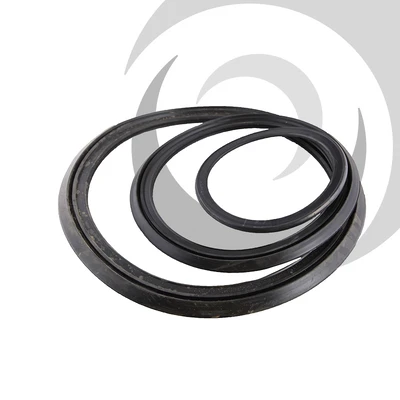
150TWSN
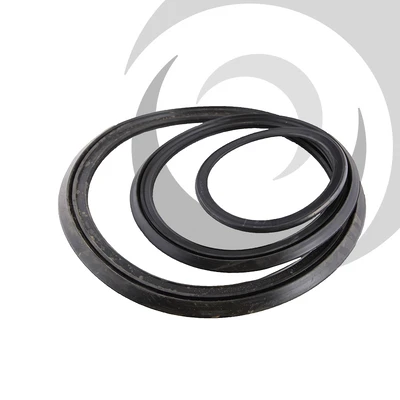
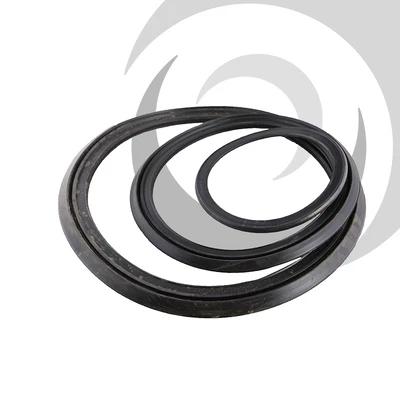
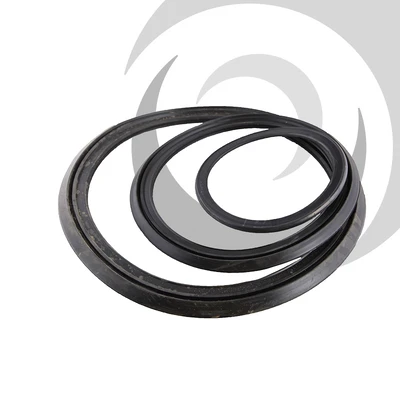
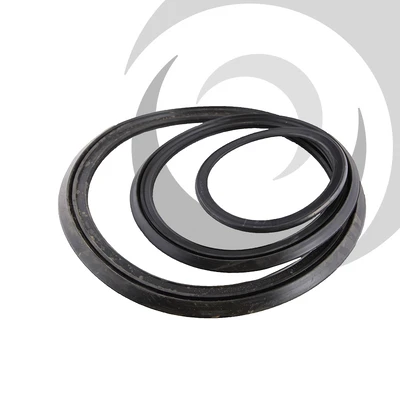
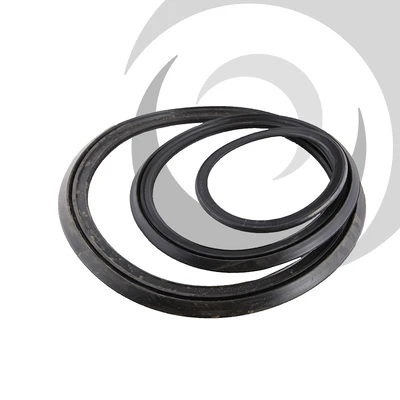
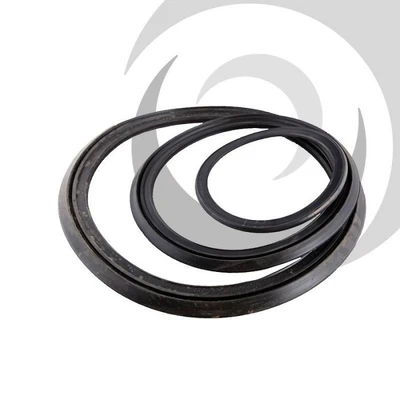
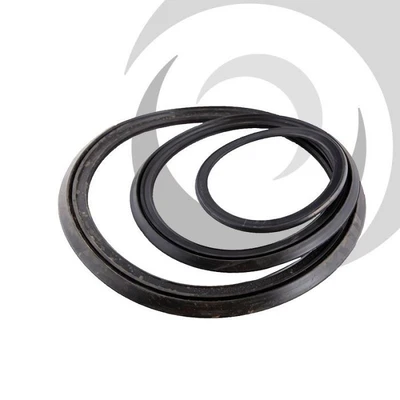
150mm Twinwall Drain Seal (Suit 150mm ID 172mm OD Pipe)
RRP £3.17
£ 2 . 69
Excl. VAT
RRP £3.80
£ 3 . 22
Inc. VAT
| Drainfast Product Catalogue Issue 40 |
Our twinwall seals are available in a wide range of sizes, from 150mm to 900mm, and all made using high-grade rubber for enhanced performance. Drainfast seals are compatible with a range of twinwall products for surface water drainage applications.
All our twinwall seals are sourced from reputable manufacturers and available with nationwide delivery. Our seals are part of our wide range of drainage products, including underground flexible fittings and underground drainage pipes.
For quality products, competitive prices and outstanding service, choose Drainfast. We offer a wide range of twinwall seal sizes, compatible with a selection of twinwall surface water drainage products.
Twinwall seals are made from rubber and are designed to create watertight connections between sections of twinwall surface water drainage networks. They remove the need for adhesive and are installed between pipe ribs for a tight seal.
The typical material of choice is Ethylene Propylene Diene Monomer (EPDM). EPDM is a form of synthetic rubber that’s extremely flexible and durable, perfect for underground drainage applications where maintenance or replacement may be difficult.
Installing Twinwall seals is simple:
There are four common reasons that twinwall seals might fail:


Considering a French drain for your project? This quick guide explains what they are, how they work, where to use them, and what to watch out for - everything you need to know before getting started.

Use our step-by-step guide to calculate the soakaway capacity required for effective stormwater drainage of your property.

Channel drains prevent car park flooding, ensure safety and comply with UK drainage regulations.

Learn how to protect your water supply and drainage systems from common winter issues like frozen pipes and clogged drains.

Upgrading and maintaining drainage systems can mitigate winter floods, while innovative UK schemes are rising to the challenges of climate change.

Prepare for winter with our essential tips for maintaining roof gutters, downpipes and channel drains in domestic, commercial and industrial settings.

Victorian gutters were a work of art - could this forgotten craftsmanship make a stylish comeback in today’s buildings?

Learn about the essential role of road gully gratings in the UK’s drainage system, their materials, types and how they support road safety and drainage efficiency.

A silt trap can drastically extend the life of a drainage soakaway. What is a silt trap, why might you need one and how do you install and maintain it?

Drain gullies are a key feature of drainage systems on roads, sewers and wastewater systems. Let’s look into the various drain gully types and how they work.

Rainwater harvesting is becoming increasingly popular for domestic, commercial and agricultural use. What is it, why is it important and how is it used?

Rainwater harvesting systems conserve resources and reduce water bills, but what storage tank size do you need? We show you how to estimate your needs.
Delivery options
Enter your postcode for delivery timescales, accurate stock levels, and your nearest depot